Introduction
In a significantly globalized world, the demand for specialists who can browse global borders has never been higher. As business broaden their operations throughout continents, understanding the nuances of work experience evaluation ends up being vital for both employers and staff members. This article delves deep into the complexities of work experience evaluation, clarifying its significance in worldwide mobility, the processes included, and how it intersects with academic credential examination and other vital factors.
Understanding the Subtleties of Work Experience Evaluation for Global Mobility
When we discuss work experience evaluation, we're basically discussing a structured method to assess a person's professional background, skills, and competencies in a worldwide context. This examination is vital for various stakeholders consisting of employers wanting to hire international talent, people looking for work abroad, and universities using programs to boost employability.
Work experience evaluations help bridge the gap between diverse global employment standards. They ensure that pertinent https://elliottucys477.image-perth.org/an-international-viewpoint-the-advantages-of-international-credential-evaluation experiences are acknowledged and valued properly. This process typically consists of a professional viewpoint letter which provides an in-depth analysis of a prospect's qualifications relative to market standards.
The Significance of Work Experience Assessment in Worldwide Mobility
Navigating International Standards
With various nations having differed criteria for assessing expert experience, understanding these discrepancies ends up being vital. An efficient work experience evaluation enables companies to line up candidates' backgrounds with local expectations.
Enhancing Employability
For job seekers going for chances abroad, presenting a precise representation of their work history can significantly enhance their employability. Assessments carried out by respectable international credential examination services provide potential companies a clear picture of what candidates give the table.
Key Elements of Work Experience Evaluation
1. File Verification
Document confirmation is basic in developing the authenticity of a candidate's work experience. Each file must be inspected completely to prevent scams or misrepresentation.
2. Skill Assessment
An extensive ability assessment evaluates the proficiencies obtained during previous work. This may consist of technical abilities as well as soft abilities like communication or leadership abilities.
3. Professional Viewpoint Letter
A professional opinion letter plays a critical function in validating work experiences. It works as an authoritative recommendation from acknowledged professionals within particular markets or sectors.
Types of Credential Evaluations Related to Work Experience
1. Academic Credential Evaluation
This procedure examines instructional qualifications gotten from institutions outside the nation where one looks for employment or further education. Understanding how academic qualifications associate with work experiences is vital as some roles need particular educational backgrounds.
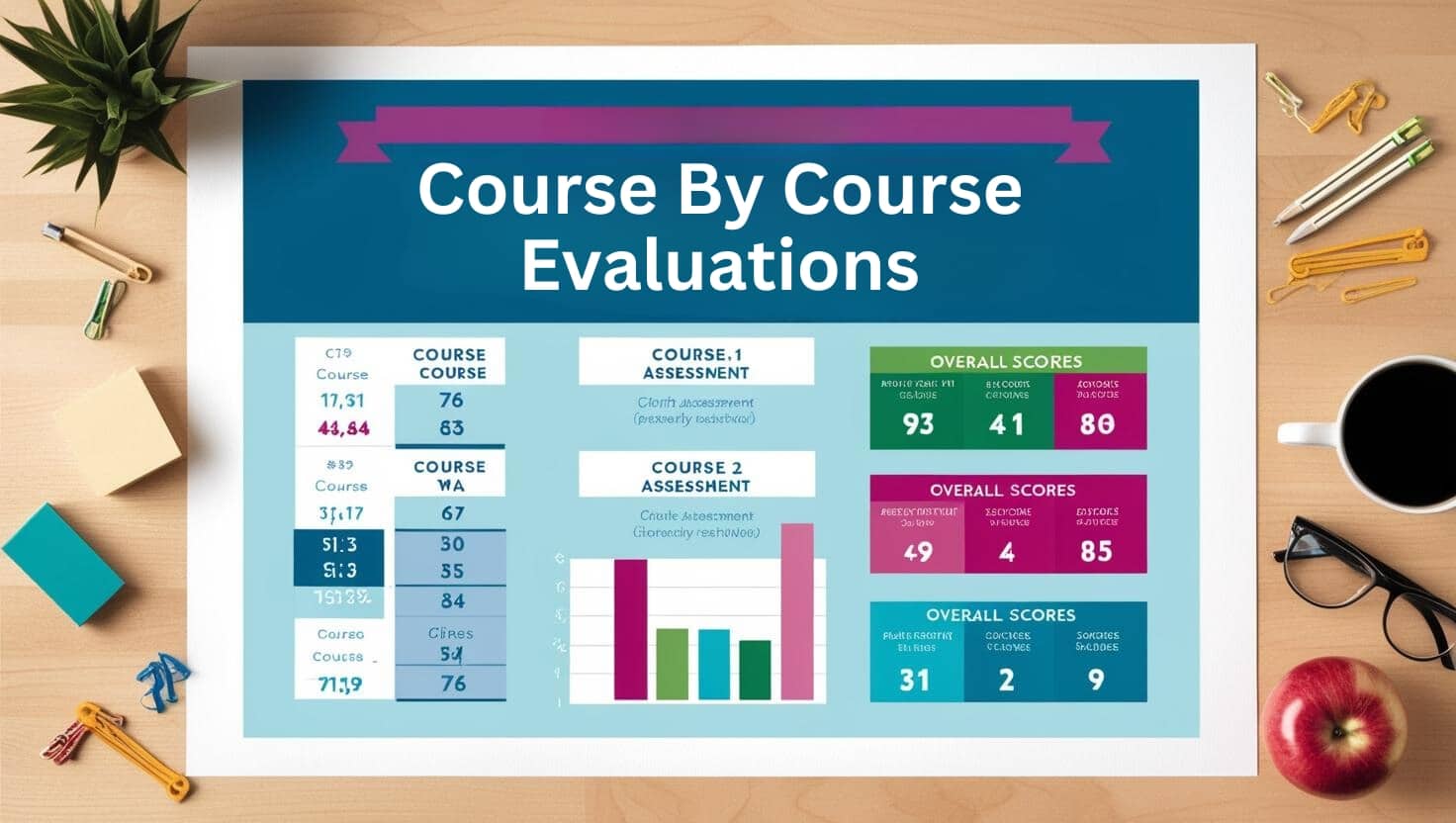
2. Course-by-Course Credential Evaluation
For candidates who wish to show their academic standing in addition to practical experiences, course-by-course assessments offer comprehensive breakdowns obviously taken, grades got, and equivalencies developed in relation to local education systems.
3. Business Strategy Evaluation
While mostly appropriate for business owners, organization plan evaluations can intertwine with work experience evaluations when individuals look for financing or collaborations based on their previous functions and achievements within particular industries.
The Process of Performing a Work Experience Evaluation
Conducting an extensive assessment includes several actions:
- Collecting essential files such as letters from previous companies, pay stubs, or task descriptions. Engaging with international credential assessment services that concentrate on evaluating foreign work experiences. Compiling findings into thorough reports that summary validated skills and experiences clearly.
Challenges in Work Experience Evaluation
Despite its value, there are difficulties connected with examining work experience globally:
- Variability in job titles and obligations across various cultures can make complex comparisons. Inconsistencies in documents practices may lead to troubles in validating claims made by candidates.
Best Practices for Effective Work Experience Evaluation
To make sure accuracy and fairness in evaluations:
Establish clear guidelines concerning what constitutes legitimate work experience. Engage qualified critics who understand both local and worldwide market demands. Utilize technology-driven services for efficient information collection and analysis.Future Trends in Work Experience Evaluations
As globalization continues to progress:
- We anticipate increased usage of expert system tools to simplify evaluations. More focus will likely be put on soft abilities and adaptability along with conventional difficult abilities due to changing labor force dynamics.
FAQs
Q1: What is a professional viewpoint letter?
A professional viewpoint letter is a document provided by industry specialists that validates an individual's qualifications or experiences according to industry standards.
Q2: How does scholastic credential examination effect work experience?
Academic credential examinations assist contextualize academic credentials versus regional expectations, enhancing understanding throughout work experience assessments.
Q3: Why do I require a course-by-course credential evaluation?
A course-by-course credential evaluation offers in-depth insights into your academic history, showing how your education matches your expert experiences.
Q4: Can my previous job title affect my work experience evaluation?

Q5: What kinds of files are required for work experience evaluations?
Usually required documents include letters from past employers detailing your role/responsibilities, pay stubs suggesting period at each position, and any associated accreditations earned during employment.
Q6: How long does a typical work experience evaluation take?
The period can differ extensively based on intricacy however usually ranges from numerous weeks approximately three months depending on documents schedule and confirmation needs.
Conclusion
Understanding the nuances of work experience evaluation is important for browsing today's worldwide labor force landscape efficiently. By valuing the intricacies included-- ranging from documents verification through specialist opinion letters-- it becomes clear that this procedure is not merely governmental but deeply important to guaranteeing that talent is acknowledged precisely across borders.
As companies significantly value diverse perspectives brought by worldwide skill swimming pools, those included-- be it job candidates or companies-- should remain educated about finest practices surrounding these examinations while likewise adjusting as trends progress within this dynamic field.
By harnessing trusted resources such as academic credential examinations and engaging with credible global credential examination services, people can enhance their profiles substantially while organizations can make educated hiring choices lined up with their strategic goals-- ultimately promoting development within our interconnected world economy.